Nestled along the tranquil waters of Biscayne Bay, the Vizcaya Museum and Gardens stands as one of Miami’s most iconic cultural landmarks. This historic estate seamlessly blends European architectural elegance, meticulously landscaped gardens, and a rich narrative of early 20th-century opulence that continues to captivate visitors from around the world.
Whether you are a history enthusiast, design aficionado, or simply a traveler exploring Miami’s distinct heritage, Vizcaya Museum and Gardens represents a vital chapter in the city’s cultural legacy.
A Historic Jewel in the Heart of Miami
Vizcaya Museum and Gardens was conceived as the winter residence of American industrialist James Deering, heir to the International Harvester fortune. Construction began in 1914 and by December 25, 1916, Deering had taken up residence in the completed villa, characterized by its Renaissance-inspired architecture and European grandeur.
Over the next several years, formal gardens and ancillary structures were added, culminating in a property that today spans roughly ten acres of landscaped beauty.
The estate is now a National Historic Landmark, preserving its original architecture and gardens as a public museum dedicated to art, history, and horticulture. Every year, hundreds of thousands of visitors from around the globe immerse themselves in the estate’s refined spaces, drawing a deep connection between Miami’s tropical environment and the sophisticated design sensibilities imported from Europe.
Architectural Significance and Design Influences
From its inception, Vizcaya was envisioned as a blend of European architectural styles, primarily drawing from Italian Renaissance villas and French garden traditions. The estate’s exterior reflects influences from historic villas in Italy’s Veneto region, while the formal gardens draw inspiration from classical parterre layouts.
The main house features 34 lavishly decorated rooms filled with original furnishings, antiquities, mosaics, and commissioned artworks, offering a rare view into the interior design of America’s Gilded Age elite. The integration of Mediterranean Revival and Renaissance elements with Florida’s subtropical climate results in a unique architectural icon in the United States.
Gardens and Landscape Design
The formal gardens at Vizcaya represent an essential part of the estate’s identity, encompassing a series of thematic outdoor spaces that reflect both European design principles and the lush botanical possibilities of South Florida’s climate. Meandering pathways, sculpted hedges, fountains, and serene water features create a dynamic environment that invites exploration and reflection.
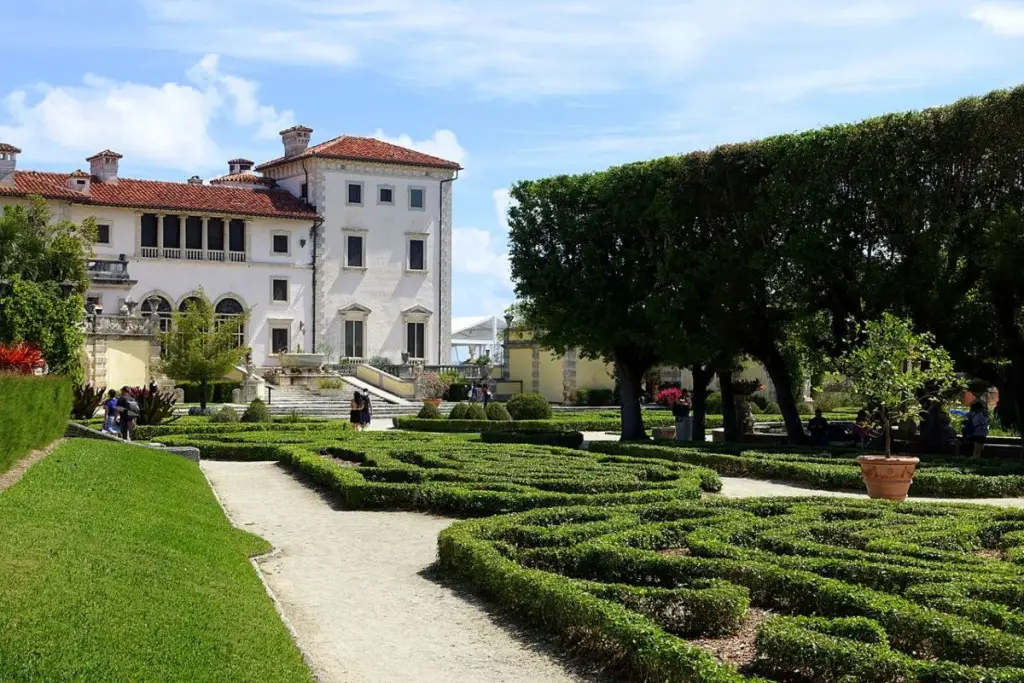
Importantly, the estate’s gardens embody a dialogue between landscape design, art, and nature, engaging visitors in an experience that transcends typical botanical displays. The gardens are often highlighted as destinations in themselves, showcasing how design and horticulture can coexist in harmony.
Cultural Legacy and Public Engagement
Following Deering’s death in 1925, the estate underwent multiple changes in ownership and purpose before being acquired by Miami-Dade County in the early 1950s. Vizcaya officially opened as a public museum in 1953, solidifying its role as a community asset. Since then, it has served as both a scholarly resource and a venue for cultural engagement.
Today, Vizcaya Museum and Gardens offers guided tours, educational programs, and special exhibitions that explore the estate’s history, architecture, and horticulture. The property also hosts seasonal events, workshops, and community initiatives that further connect Miami’s residents and visitors with the city’s heritage.
Art, Furniture, and Collections
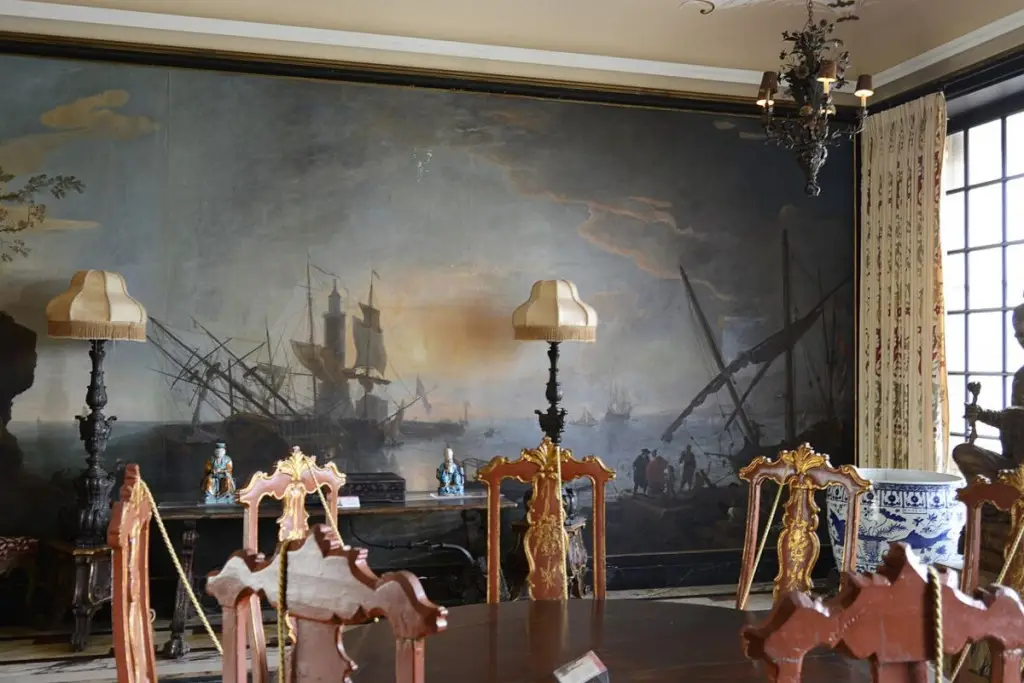
The interior spaces at Vizcaya reflect a level of artistic curation seldom found outside major museums. Deering’s personal tastes are evident in the magnificent furnishings, stained glass windows, intricate woodwork, frescoes, and carefully selected decorative artworks. Many of these pieces were acquired through Deering’s extensive travels and reflect the transatlantic design trends of the early 1900s.
From Renaissance sculptures to ornate chandeliers, the estate’s collection showcases an eclectic range of objects that enrich the visitor experience. Importantly, these design elements provide critical insight into how historical interiors were conceived and executed among the American elite during a period marked by global exploration and cultural exchange.
Preservation and the Vizcaya Trust
The ongoing preservation of this historic estate is managed by the Vizcaya Museum and Gardens Trust, a governing body responsible for safeguarding the site’s artistic and architectural integrity. Preservation efforts address the challenges posed by time, climate, and increased visitation, ensuring that future generations can experience Vizcaya’s beauty firsthand.
The Trust’s mission encourages community involvement and education, supporting initiatives that invite locals and tourists to engage directly with preservation projects and cultural stewardship.
Why Vizcaya Matters to Miami’s Identity
As one of Miami’s most beloved landmarks, Vizcaya Museum and Gardens has transcended its role as a private estate to become a cultural anchor for the city. It reflects Miami’s early role as a crossroads of global influences—mixing European architectural ideals with American ambition and tropical sensibilities.
Beyond its aesthetic value, Vizcaya serves as a living museum that invites reflection on history, design, and the evolving identity of a city known for vibrant diversity, architectural innovation, and cultural richness.
Visiting Vizcaya Museum and Gardens
Located in Coconut Grove, one of Miami’s oldest and most historic neighborhoods, Vizcaya Museum and Gardens is accessible to visitors year-round. The estate offers guided tours, audio experiences, and resources to help guests fully appreciate the estate’s enduring legacy.
Whether you are drawn to historic interior design, landscape architecture, or simply the timeless charm of a preserved cultural treasure, Vizcaya remains a must-visit destination in Miami.