
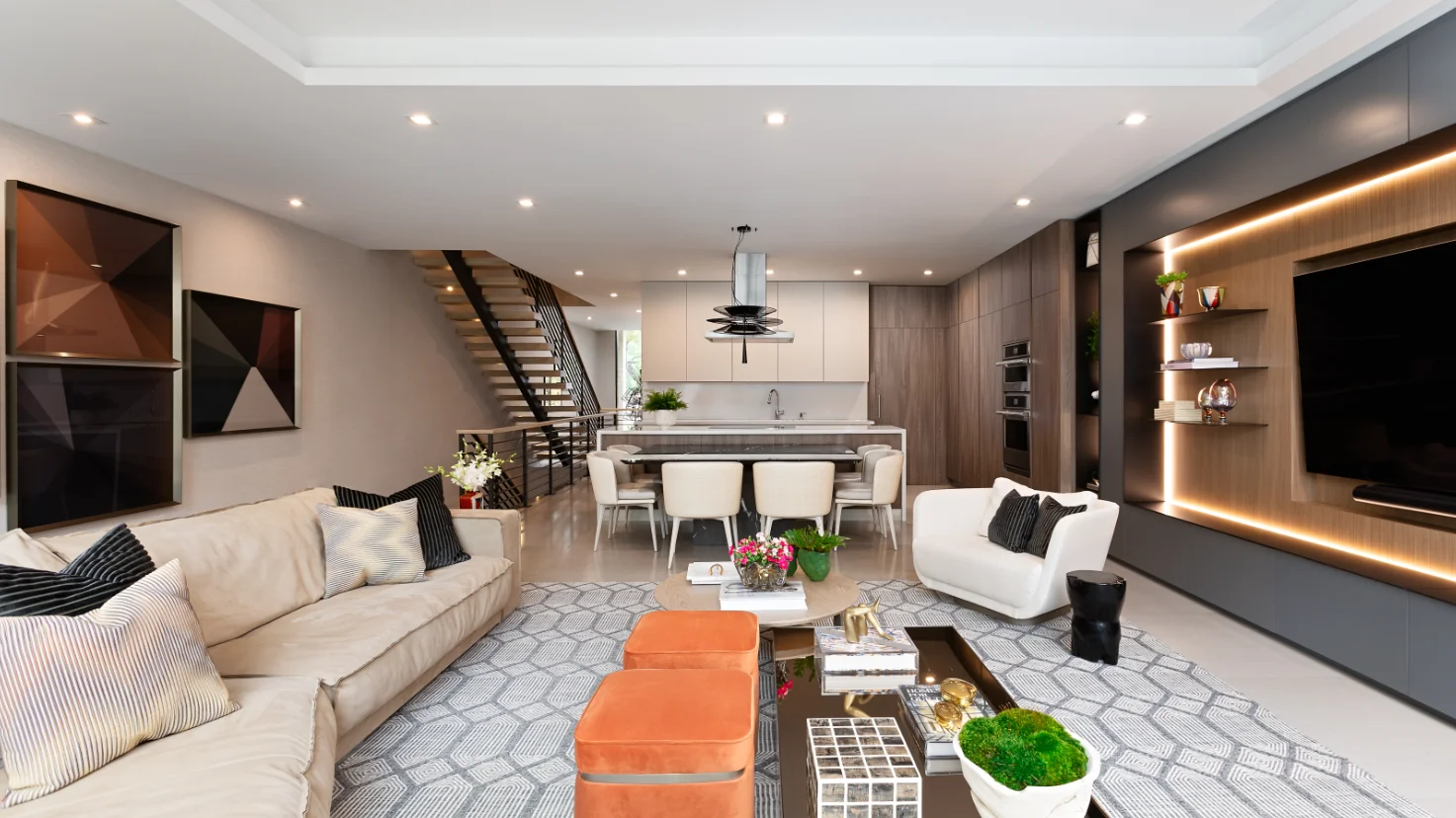
Transitional interior design occupies a highly sought-after space in residential architecture. It is the deliberate, curated balance between the warmth of traditional design and the clean, disciplined lines of contemporary aesthetics. For many homeowners, it represents the ideal aesthetic, offering the comfort of classic forms without the heavy ornamentation of the past.
Understanding transitional interior design helps you communicate your vision clearly. It is not a compromise between two styles. It is a distinct, cohesive vocabulary that requires restraint and precision to execute correctly.
The Core Philosophy of Transitional Interior Design
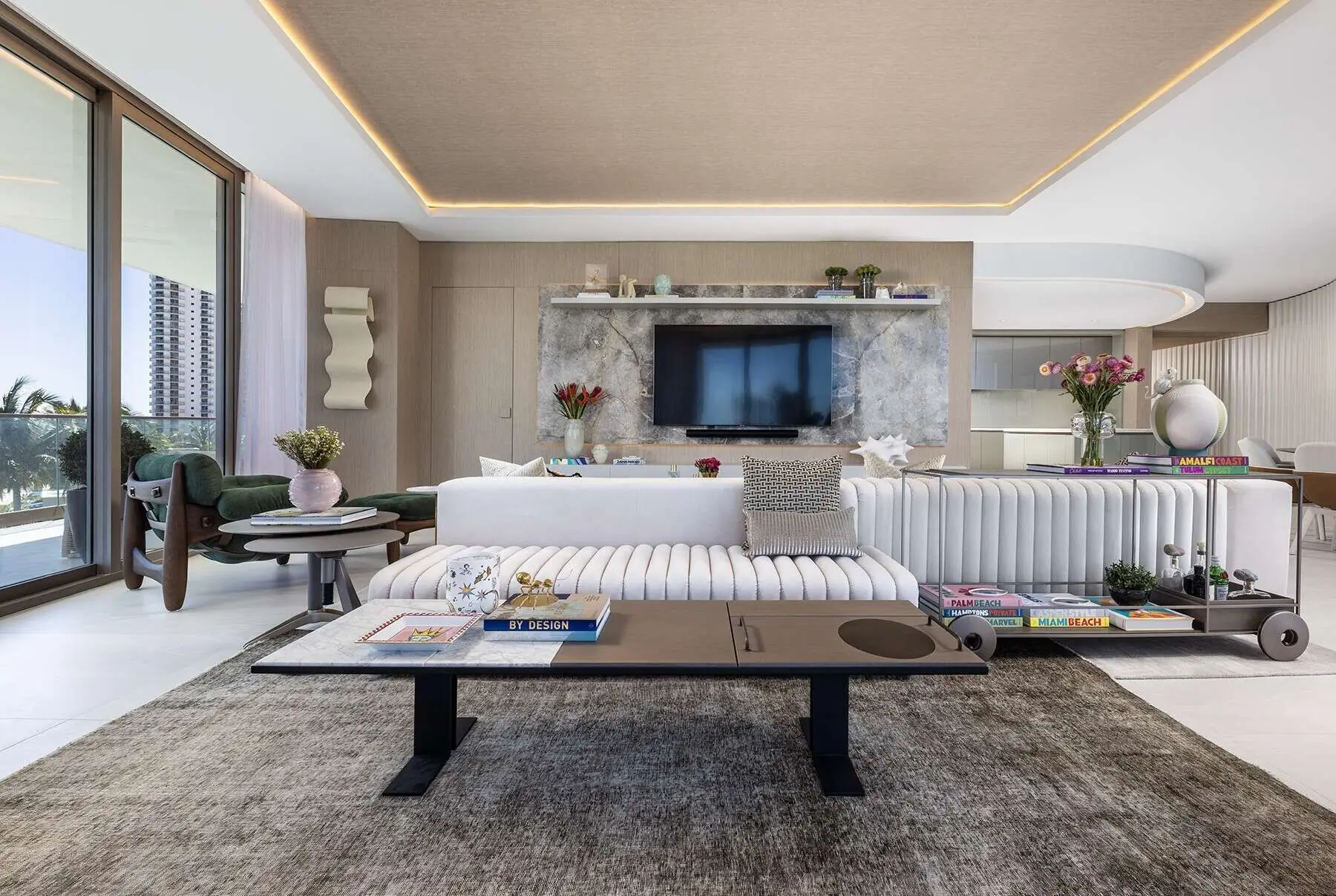
At its foundation, transitional interior design is about editing. It takes the elegant proportions and timeless materials of classic architecture and strips away the excess. The result is a space that feels anchored and substantial, yet light and current. This style does not chase fleeting trends. It relies on quality, texture, and spatial flow to create a sense of enduring luxury.
While contemporary interior design reflects the present moment and fluid aesthetics, transitional design builds a bridge to the past. It respects historical design styles but updates them for modern living.
Key Elements That Define Transitional Interior Design
To achieve this precise balance, designers rely on a specific set of principles that guide material selection, furniture silhouettes, and color palettes.
A Layered and Sophisticated Neutral Palette
Transitional spaces are built on a foundation of sophisticated neutrals. Warm whites, soft greiges, taupes, and muted earth tones create a calming background. Unlike stark minimalist spaces, transitional rooms use these neutrals to build visual depth. Contrast is introduced intentionally, such as a deep-toned millwork piece placed against a light wall, giving the space its energy.
Clean but Comfortable Furniture Silhouettes
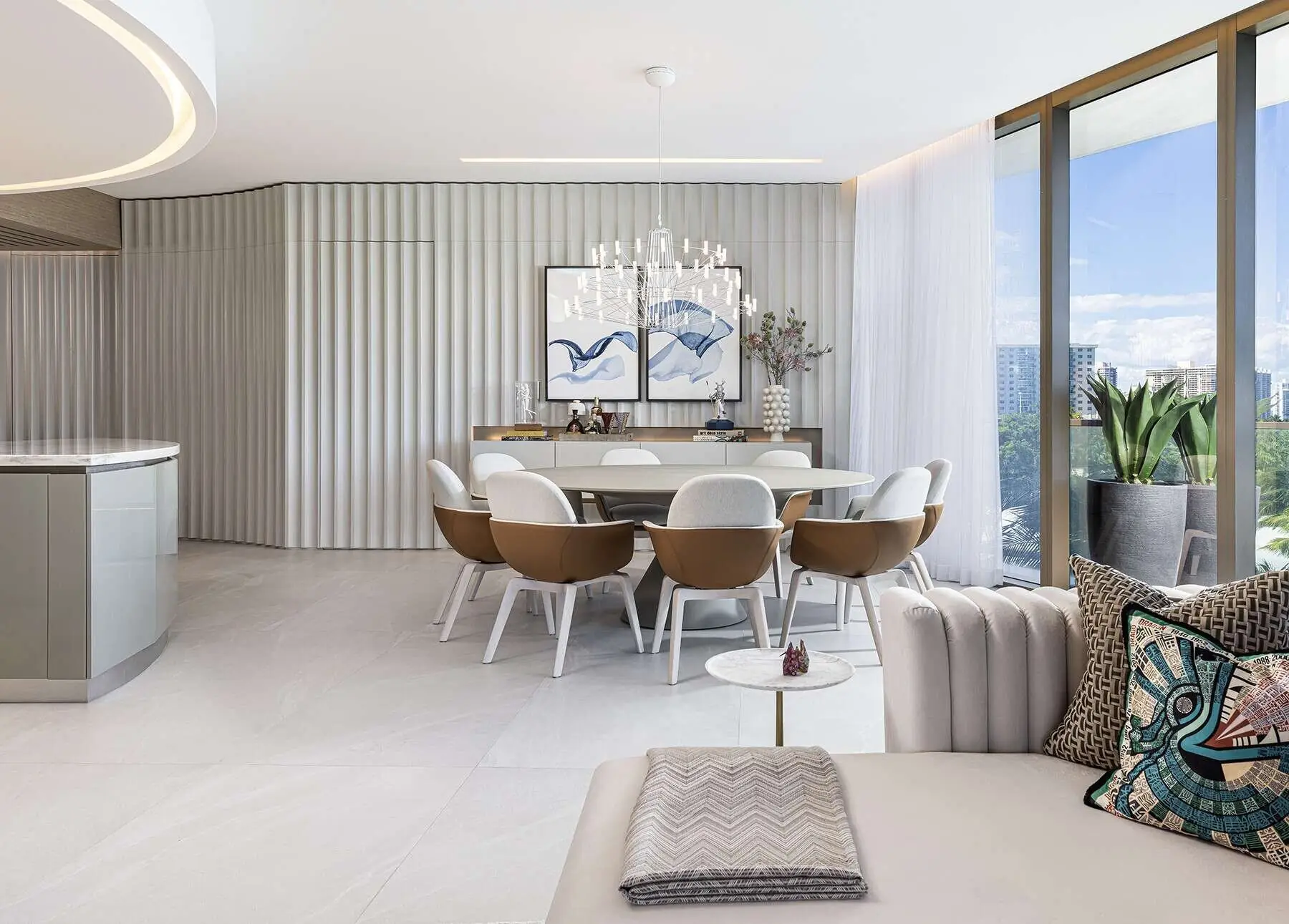
Furniture in a transitional interior design scheme bridges different eras. You will find the gentle curves and classic proportions of traditional furniture updated with cleaner lines and tailored upholstery. The resurgence of arched doorways, sculptural furniture, and curved silhouettes introduces a sense of movement and fluidity. The emphasis is always on comfort, scale, and proportion.
Rich, Tactile Materials and Natural Stone
Because the color palette is restrained and ornamentation is minimal, texture becomes the primary decorative tool. Ideally, every surface should have an intentional texture, whether it is wood paneling, marble slabs, or a beautifully applied plaster. Transitional interiors rely heavily on high-quality natural materials. Marble doors, for example, represent one of the most striking material decisions available, functioning simultaneously as architecture, furniture, and art.
Strategic Lighting as Architectural Sculpture
Lighting in transitional interior design serves as both function and sculpture. Fixtures often feature contemporary geometric shapes executed in classic finishes like brushed brass, bronze, or polished nickel. A sleek pendant hanging above a rustic wood dining table perfectly illustrates the transitional balance.
Transitional Interior Design in South Florida Luxury Homes
In Miami’s luxury real estate market, transitional interior design has found a natural home. The style adapts beautifully to the region’s bright natural light and coastal environment.
When executed in historic neighborhoods like Coral Gables or Coconut Grove, transitional design often incorporates tropical influences. Lighter woods, breathable performance fabrics, and an emphasis on indoor and outdoor flow soften the traditional architectural elements. A studio with deep experience in this market understands how to honor a home’s Mediterranean Revival architecture while updating the interiors for a modern lifestyle.
The Importance of Professional Curation in Transitional Spaces
The greatest challenge in transitional interior design is maintaining the balance. If a room leans too heavily traditional, it feels dated. If it becomes too contemporary, it loses its welcoming warmth. Every piece must be evaluated for how it interacts with the rest of the room.
This instinct develops over decades of practice across hundreds of projects. A firm with a strong background in transitional interior design knows how to mix eras and materials seamlessly. They understand that a bespoke interior is not about matching furniture sets, but about creating a dialogue between different pieces.
For homeowners who want a residence that feels both current and timeless, transitional interior design offers a perfect solution. It provides a sophisticated framework that accommodates elegant living, proving that true luxury lies in perfect balance and thoughtful curation.
