When a design project begins, it’s often with the promise of transformation and a vision of what the home could be. But sometimes, along the way, that vision gets lost. Budgets balloon. Communication falters. The excitement that once filled every decision gives way to fatigue and frustration.
“It usually happens when clients were promised something they never received, or when costs spiral completely out of control because of inexperience,” says Luciana Fragali, founder of Design Solutions. But Fragali prefers to see it as a fresh start rather than a failure. “Instead of focusing on what went wrong, I prefer to educate potential clients on how we operate — with full transparency on numbers and timelines.”
Fragali’s calm clarity is both reassuring and practical. To her, a mid-project designer change isn’t a failure. It’s an opportunity to course-correct. “Everything we go through in life is a chance to learn,” she adds.
“If the ‘homework’ wasn’t done properly in choosing the right designer the first time, frustrations are natural. Changing designers isn’t a failure–it’s a chance to start fresh with the right team and finally get it right.”
Understanding the Client’s Vision
The first step in taking over an existing project isn’t about rehashing the past, but instead about re-centering the future.
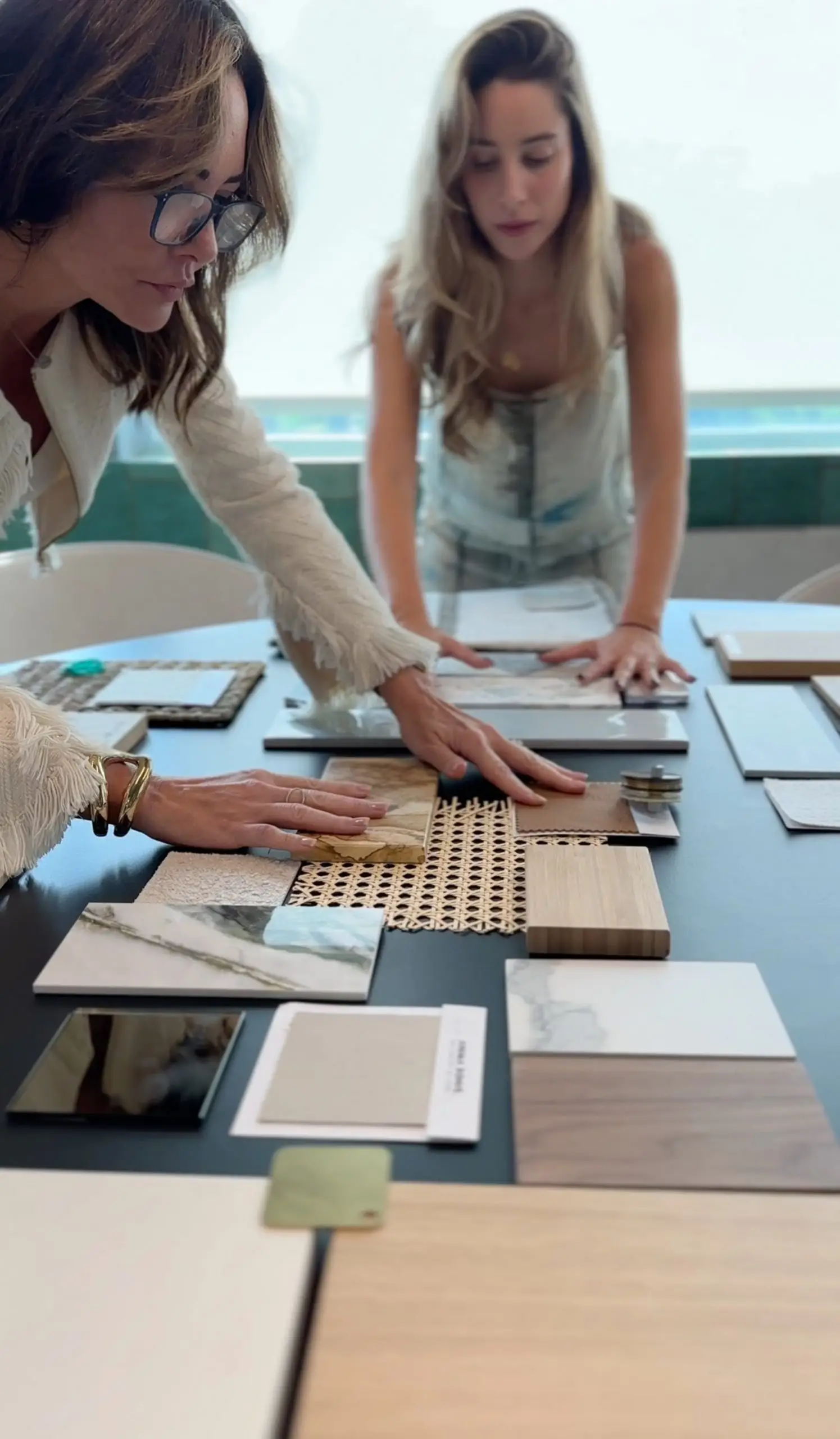
Design Solutions’ process is defined by this balance between empathy and efficiency, allowing clients to feel heard while ensuring progress doesn’t stall. “Even if I don’t agree with a direction, I’ll always present their idea first, then show my alternative,” Fragali says. “At the end of the day, it’s their home, not mine. My job is to adapt and deliver something that reflects them.”
Evaluating and Resetting Design Work After a Designer Change
Stepping into a project midstream requires both restraint and decisiveness. Fragali reviews every existing element, from drawings to materials to partially completed installations, and determines what can be salvaged.
“Whatever was done before needs to make sense,” she notes. “If the client approved certain materials, I respect that and try to work with it. But if the installation was poorly done or the quality isn’t there, I will absolutely address it.”
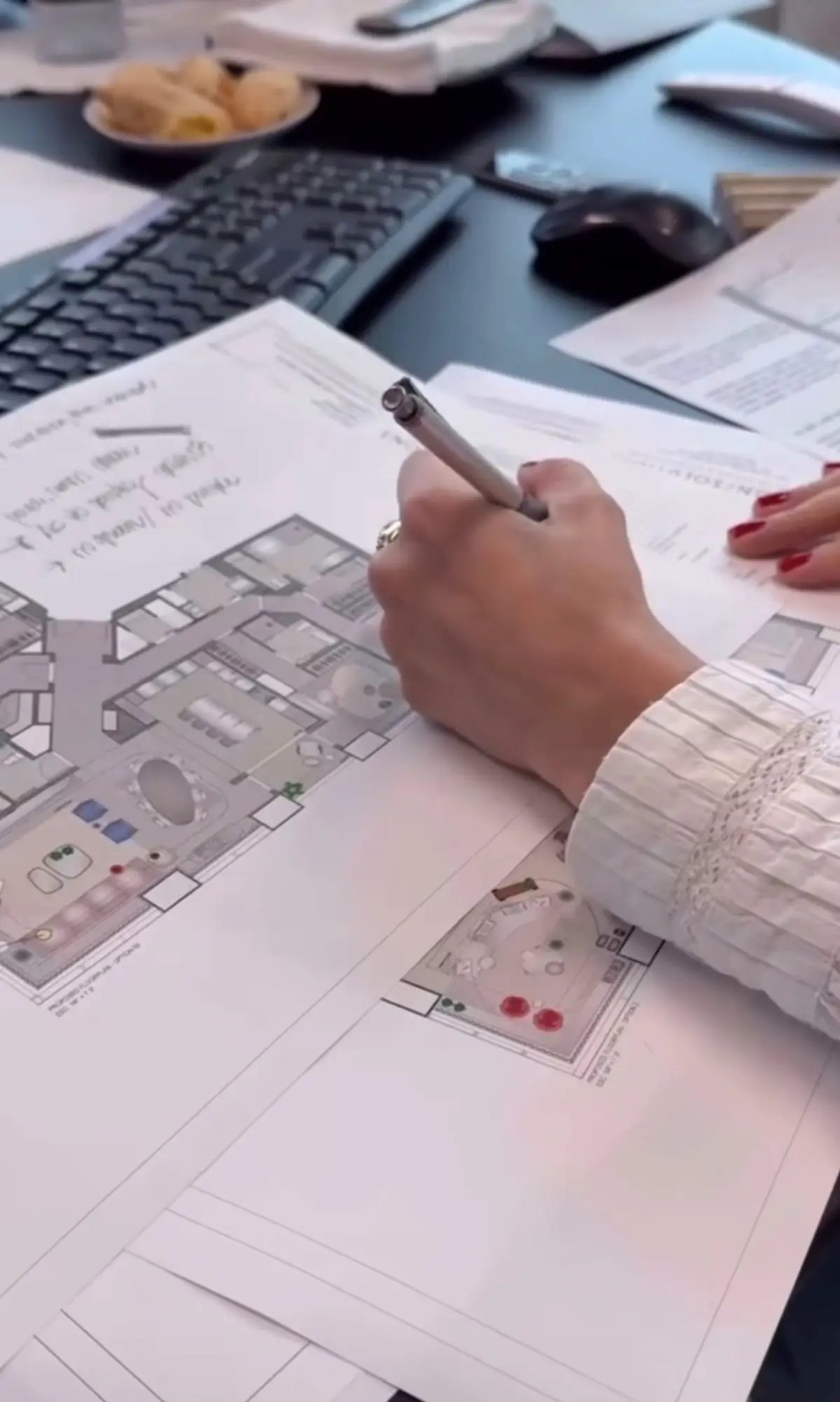
Her pragmatism isn’t without artistry. She recalls a project where a historic home concealed severe structural issues. “The previous owner, an architect, swore everything was in perfect condition,” she says. “But when we started even light demolition, we discovered the house was literally floating in the air — no structure at all.” The city halted work, forcing a complete redesign from the ground up within the existing historical walls. “It was a nightmare at the time,” she admits, “but the result was a solid, stunning home that the client loves.”
These are the moments when Fragali’s philosophy about challenges being opportunities in disguise becomes tangible. “Constraints of budget and timing can limit creativity, but they also force us to think differently,” she reflects. “Sometimes a problem becomes the most unique part of the project.”
Rebuilding Trust and Setting Clear Expectations
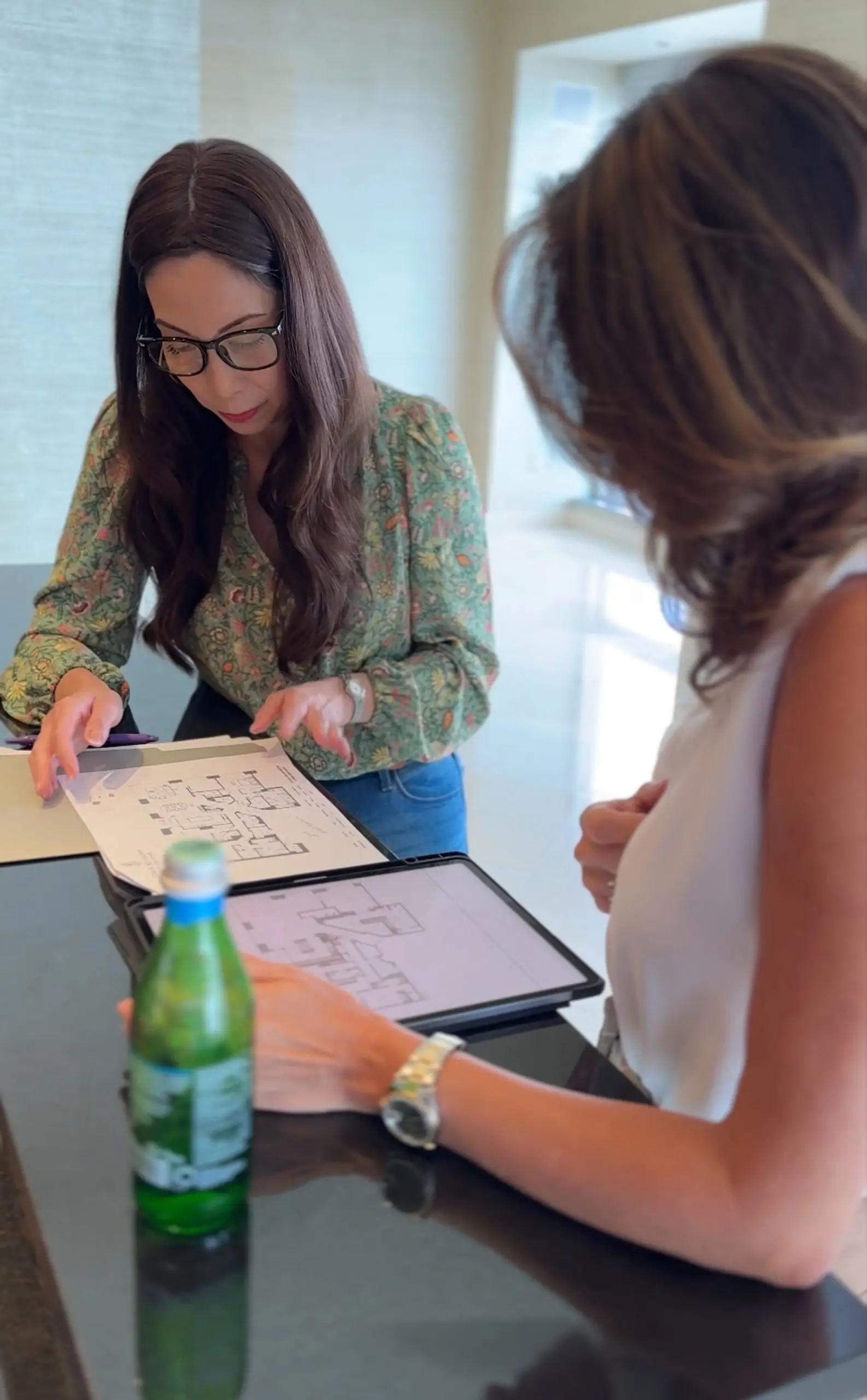
Perhaps the most delicate part of the process isn’t aesthetic at all, it’s emotional. Clients coming out of a disappointing experience often carry skepticism into the next phase. Fragali understands that rebuilding trust is as essential as rebuilding structure.
“Trust is non-negotiable,” she says. “If you hire me, you need to trust me. I provide references, show my track record, and make it clear that we’re here to shield you from frustrations.”
Her straightforward communication helps demystify the process. “First, we align expectations on taste, budget, and timing,” she explains. “I show them that what they love in an image isn’t just furniture — it’s flooring, ceiling design, lighting, finishes, everything. Once they understand what they’re really asking for, I connect it to realistic numbers and timelines.”
That transparency, she notes, is what allows clients to finally exhale. “Clients who’ve had bad experiences before are especially relieved, and finally feel they’re in good hands.”
Helping Clients Reclaim Joy in the Design Process
For Fragali, the beauty of a mid-project takeover lies in the transformation that happens on both sides — the space and the client. “I’m genuinely passionate about design, and clients feel that,” she says. “I remind them that this process should be fun. I help them fall back in love with their vision.”
Her advice to anyone hesitant to make a change? “Do your homework this time. Be diligent, check references, ask questions. And if you find someone who can do it faster and more efficiently, make the change. Contracts don’t chain you to the wrong decision.”
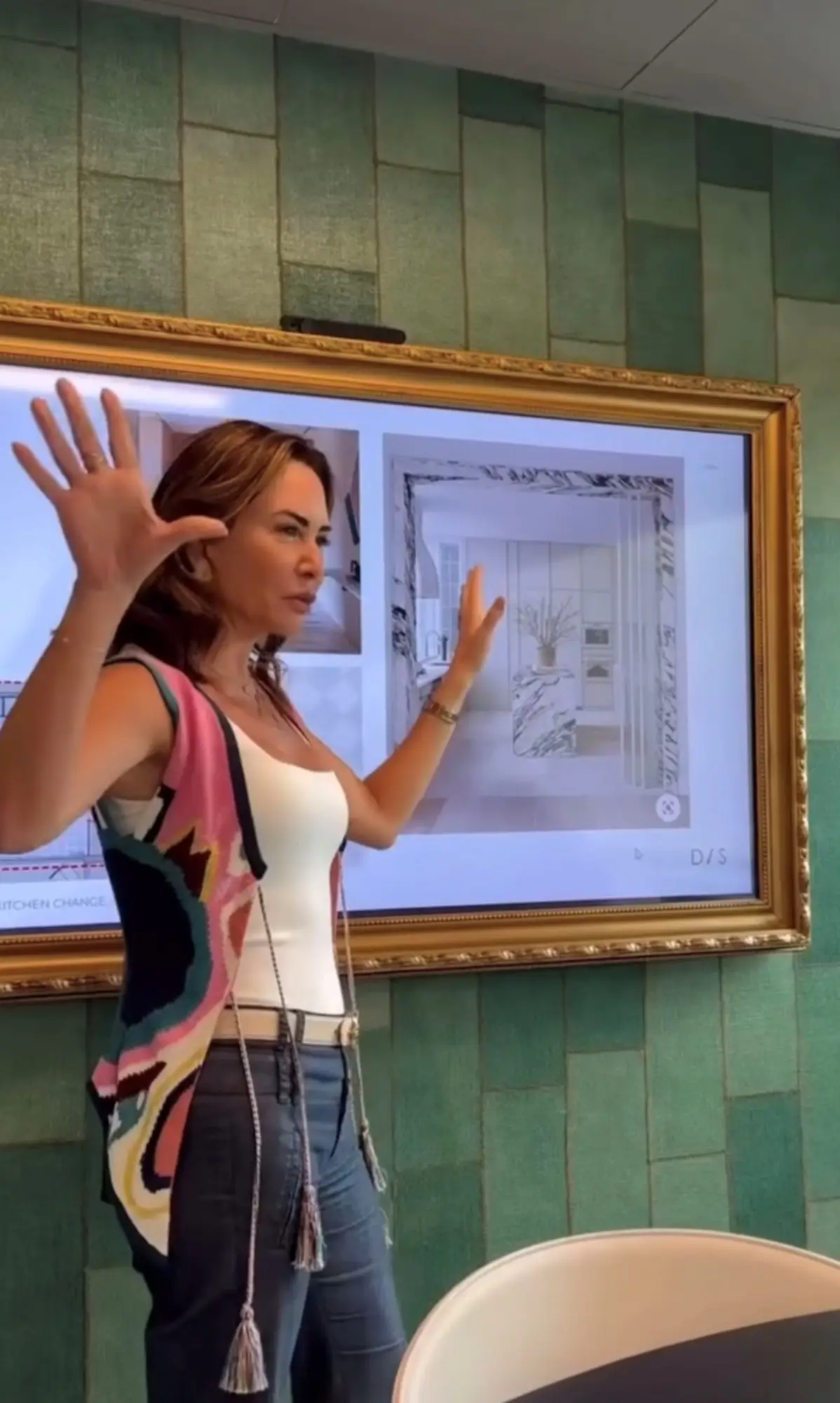
In the end, Fragali likens the process to any meaningful relationship: “Don’t bring all the dirty laundry from the past. Let go of what went wrong, focus on what we can build together now, and trust the process. That’s the only way to move forward successfully.”
Through that blend of honesty, structure, and grace, Luciana Fragali and Design Solutions can turn what once felt like a setback into a second chance. Proof that even midstream, a project can find its rhythm again.