
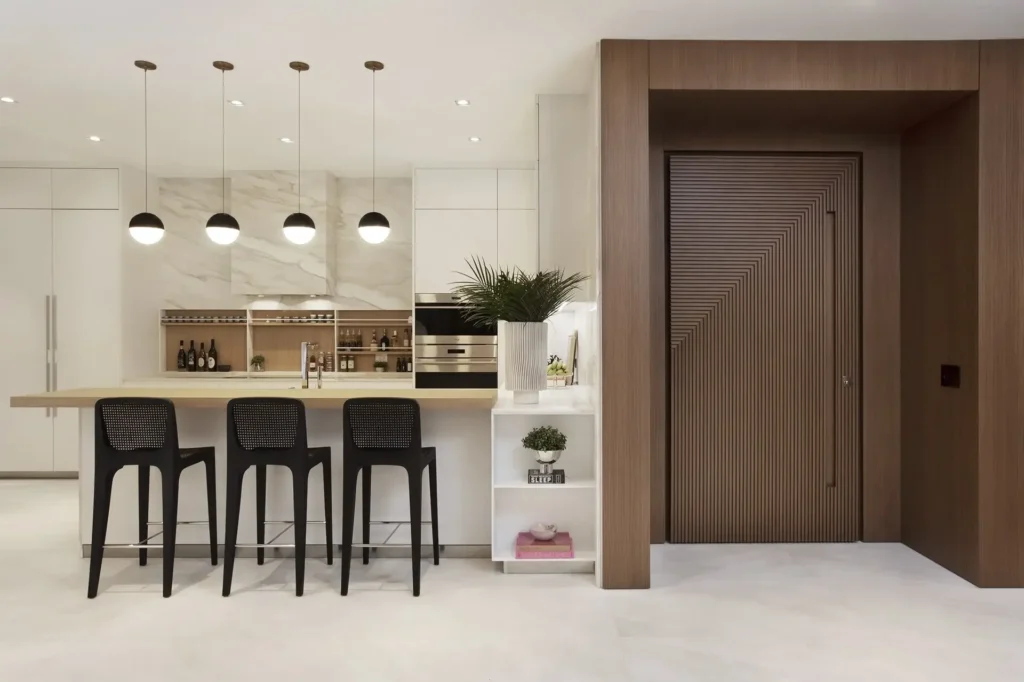
This article compares transitional and contemporary interior design styles to help luxury homeowners in Miami select the ideal aesthetic for their residence. It explores how contemporary design embraces fluid modern trends, clean lines, and integrated technology, whereas transitional design balances classic architectural forms with clean, tactile simplicity. Furthermore, it highlights how surrounding architecture across Miami neighborhoods influences design choices and underscores the crucial role of a multidisciplinary team in seamlessly executing these high-end visions.
Defining the aesthetic direction of a luxury residence is the most critical decision a homeowner makes during the initial planning phase. In the high end real estate market of South Florida, clients are frequently drawn to spaces that feel sophisticated, curated, and enduring. During these initial consultations, two design vocabularies consistently dominate the conversation. Those styles are transitional and contemporary.
Understanding the nuance between transitional vs contemporary interior design is essential for articulating your vision clearly. While both approaches prioritize high quality materials and avoid the heavy ornamentation of the past, their foundational philosophies differ significantly. Choosing the right style ensures that your home accurately reflects your lifestyle and integrates seamlessly with its specific architectural context.
Understanding contemporary interior design
Contemporary interior design is one of the most requested style terms in residential design today, yet it is often widely misunderstood. Many homeowners confuse contemporary design with modern design. Modern design refers to a specific historical movement from the early twentieth century defined by strict geometry and flat surfaces.
Contemporary style has no fixed era. At its core, contemporary design reflects the present moment. It is fluid and constantly evolving, incorporating the advanced materials and cultural influences of right now.
Clean lines and deliberate contrast
Contemporary spaces favor clean and uncluttered lines. Furniture tends toward simple silhouettes without excessive ornamentation. However, contemporary interiors are not cold or sterile. They edit with absolute intention, ensuring every element earns its place.
These spaces typically begin with a neutral foundation of warm whites, soft greiges, and natural plaster. This creates visual breathing room. Contrast is then introduced intentionally. You might see a dark marble kitchen island anchoring an open living room, or a sculptural chair in bold upholstery acting as a vibrant focal point. These precise moments of high contrast give contemporary spaces their unique energy. Furthermore, contemporary interior design fully integrates smart home technology, architectural lighting, and motorized shading from the very beginning, making the technology feel completely invisible when not in use.
Understanding transitional interior design
Transitional interior design offers a completely different philosophy. While contemporary design reflects the present moment, transitional design builds a bridge to the past. It is the deliberate, curated balance between the warmth of traditional design and the disciplined lines of contemporary aesthetics.
For many affluent homeowners, transitional design represents the ideal aesthetic. It provides the comfort and scale of classic forms without the heavy visual weight of historical ornamentation. It takes the elegant proportions of classic architecture and strips away the excess.
Tactile comfort and curated silhouettes
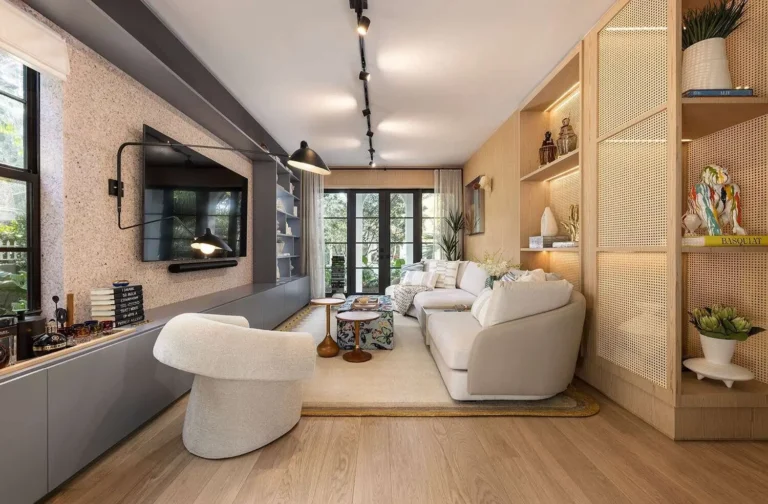
In a transitional home, you will find the gentle curves and classic proportions of traditional furniture updated with cleaner lines and tailored upholstery. A classic club chair might be reimagined without tufting. A traditional dining table might feature a streamlined base.
Because the color palette in transitional design is restrained, texture becomes the primary decorative tool. Transitional interiors rely heavily on highly tactile natural materials. Woven linens, honed marble, natural oak, and supple leather are layered to create a sense of enduring luxury. The interplay between these textures provides visual interest and communicates undeniable warmth.
Matching style to miami neighborhoods
Your choice between transitional vs contemporary interior design often depends heavily on the location and the architecture of your property. Miami is a city where distinct neighborhoods possess their own architectural DNA.
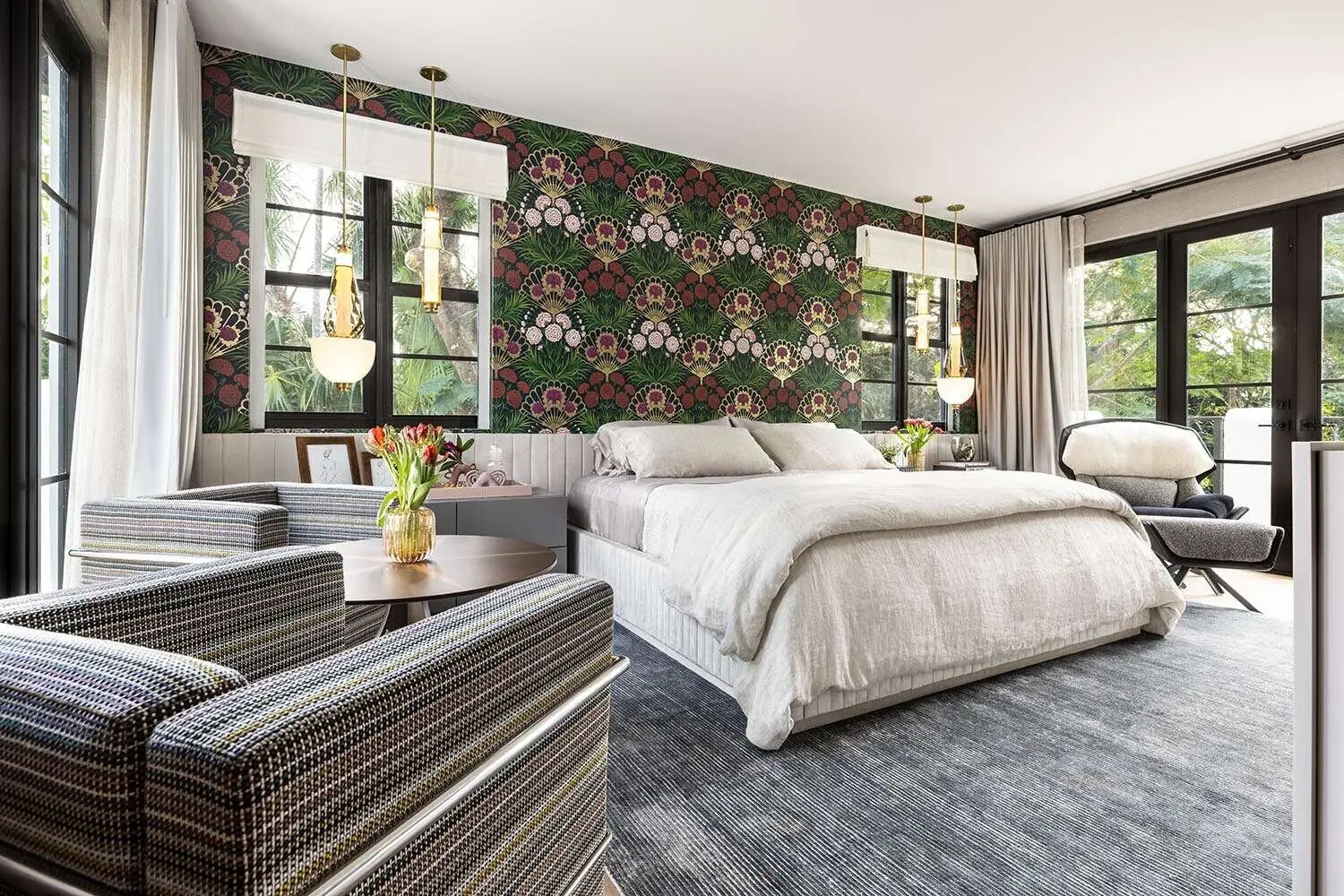
In historic neighborhoods like Coral Gables or Coconut Grove, where Mediterranean Revival and Spanish Colonial architecture prevail, transitional design is highly effective. It honors the historical envelope of the home while updating the interiors for elegant modern living. The use of warm woods and layered textures feels deeply connected to the lush, tropical surroundings.
Conversely, in luxury vertical buildings located in Brickell, Downtown, or Sunny Isles Beach, contemporary interior design thrives. The panoramic glass facades, exposed structural elements, and expansive open floor plans of these high rises align perfectly with the clean geometry and technological integration inherent in contemporary aesthetics.
The value of a multidisciplinary team in executing your vision
Regardless of whether you choose transitional or contemporary interior design, executing it at the highest level requires rigorous discipline and bespoke execution. Both styles demand a white glove turnkey service model where decoration is never separated from architecture.
Design Solutions Miami operates as a multidisciplinary team of architects and interior designers. This means the team is involved in crucial decisions about spatial flow, ceiling details, and material specification before construction begins. Full scope projects in South Florida typically require an investment of twelve to twenty four months. The studio manages the entire process, from global procurement to daily site oversight, shielding the client from the complexities of the build.
As Luciana Fragali notes, she does not design for fleeting trends. She designs for longevity, ensuring a home feels relevant not just today, but for years to come. With a track record of more than four hundred completed luxury projects across twenty years of practice, Fragali and her team ensure that your chosen style is executed flawlessly. The result is a bespoke residence that feels inevitable, perfectly calibrated to your life and your aesthetic vision.
Frequently asked questions about Design Styles
What is transitional interior design?
Transitional design builds a bridge to the past by perfectly balancing the warmth and proportions of traditional architecture with the disciplined clean lines of contemporary aesthetics.
Which design style is best for a Miami luxury home?
It depends on the existing architecture. Historic Coral Gables homes often suit transitional design, while glass high rises in Brickell or Sunny Isles Beach align perfectly with contemporary interior design.
