
Miami, with its tropical monsoon climate, presents unique challenges and opportunities for interior designers. The city’s high humidity, abundant sunshine, and occasional hurricane threats necessitate careful consideration of materials, colors, and layouts to create functional and aesthetically pleasing spaces.
This article explores how Miami’s climate influences various aspects of interior design.
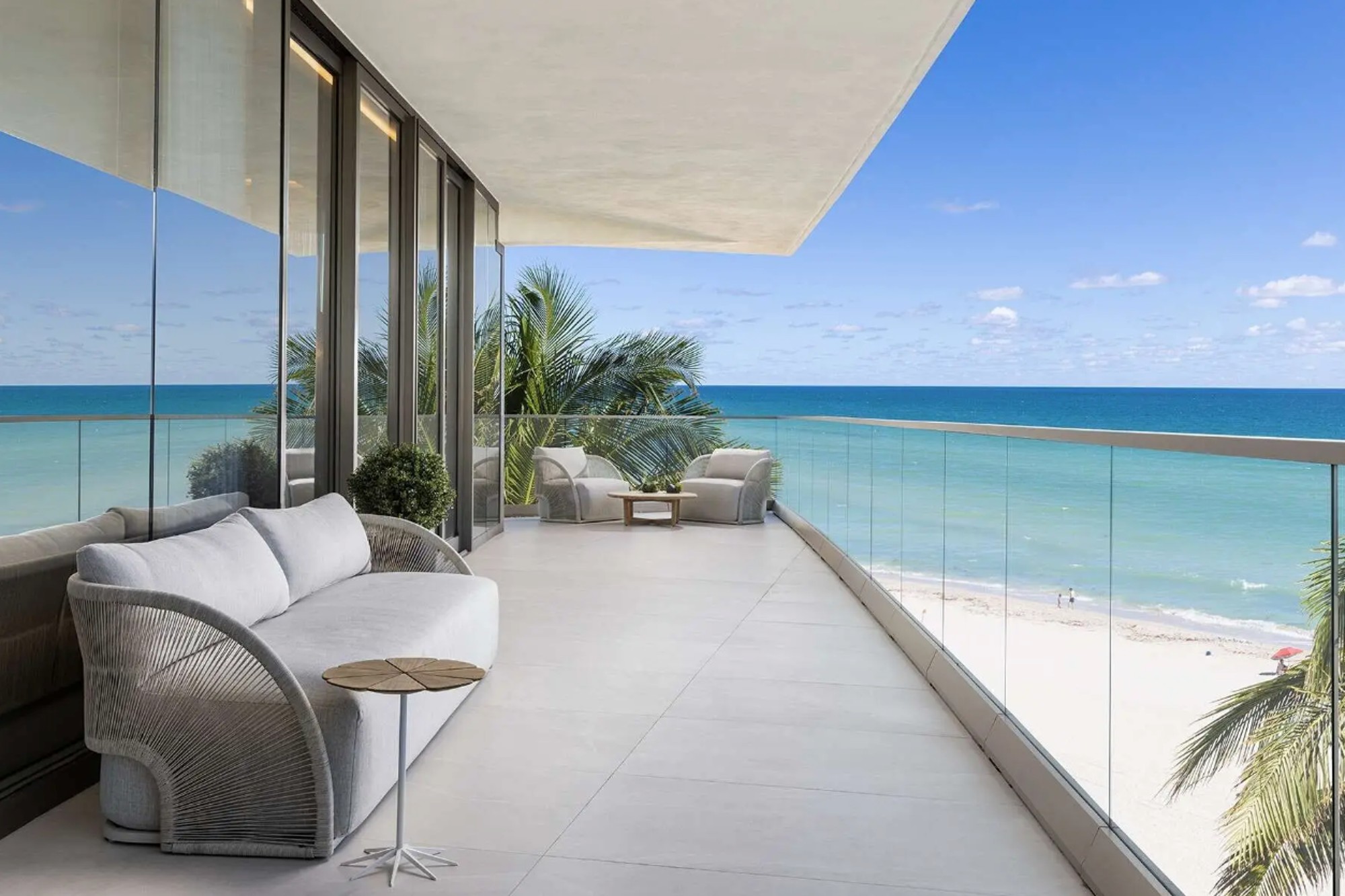
Material Selection Should Prioritize Durability and Resilience
Miami’s humidity can wreak havoc on certain materials. Wood, for instance, can warp or rot if not properly treated. Therefore, interior designers often opt for moisture-resistant alternatives such as:
- Bamboo: This sustainable material is known for its durability and resistance to moisture.
- Teak: A hardwood with natural oils that make it resistant to rot and decay.
- Metal: Aluminum and stainless steel are popular choices for furniture and fixtures due to their resistance to corrosion.
- Concrete: This material is gaining popularity for its industrial look and ability to withstand humidity.
For upholstery, breathable fabrics like linen and cotton are preferred over heavier materials like velvet or leather, which can trap moisture and feel uncomfortable in Miami’s heat.
Pro-tip:
To further protect materials, the use of sealants and finishes specifically designed for high-humidity environments is recommended. For example, marine-grade sealants can protect wood from moisture damage, while powder-coated finishes can prevent metal from corroding.
The Color Palette Should Reflect Light and Heat
Miami’s abundant sunshine calls for a color palette that reflects light and heat. Light and airy colors like white, beige, and pastel shades help to create a sense of coolness and spaciousness. These colors make a room feel more comfortable and inviting in Miami’s warm weather.
Additionally, incorporating accents of vibrant colors like turquoise, coral, and yellow evoke the city’s tropical vibe. These colors can bring a sense of energy and playfulness to your interior design, reflecting the vibrant spirit of Miami.
When choosing your color palette, consider how different colors can affect the perceived temperature of a room. Cool colors like blues and greens can make a space feel cooler, while warm colors like reds and oranges can make it feel warmer.
Window Treatments Are Important for Managing Sunlight and Heat
Large windows are a common feature in Miami homes, offering stunning views and maximizing natural light. However, they can also lead to excessive heat gain. Effective window treatments are crucial for managing sunlight and maintaining a comfortable indoor temperature.
Some popular options include:
- Sheer curtains: These allow natural light to filter through while reducing glare and heat.
- Solar shades: Block harmful UV rays, reducing heat gain and protecting furniture from fading.
- Blinds: These offer flexibility in controlling light and privacy.
- Impact windows: These are essential for hurricane preparedness and also help to insulate against heat and noise.
Ventilation and Airflow Contribute to a Comfortable Environment
Proper ventilation is essential for maintaining a comfortable and healthy indoor environment in Miami’s humid climate. Interior designers often incorporate features that promote airflow, such as:
- Ceiling fans: These help to circulate air and create a cooling breeze.
- Open floor plans: These allow for better air circulation and create a sense of spaciousness.
- Cross-ventilation: Strategically placed windows and doors can facilitate natural cross-ventilation.
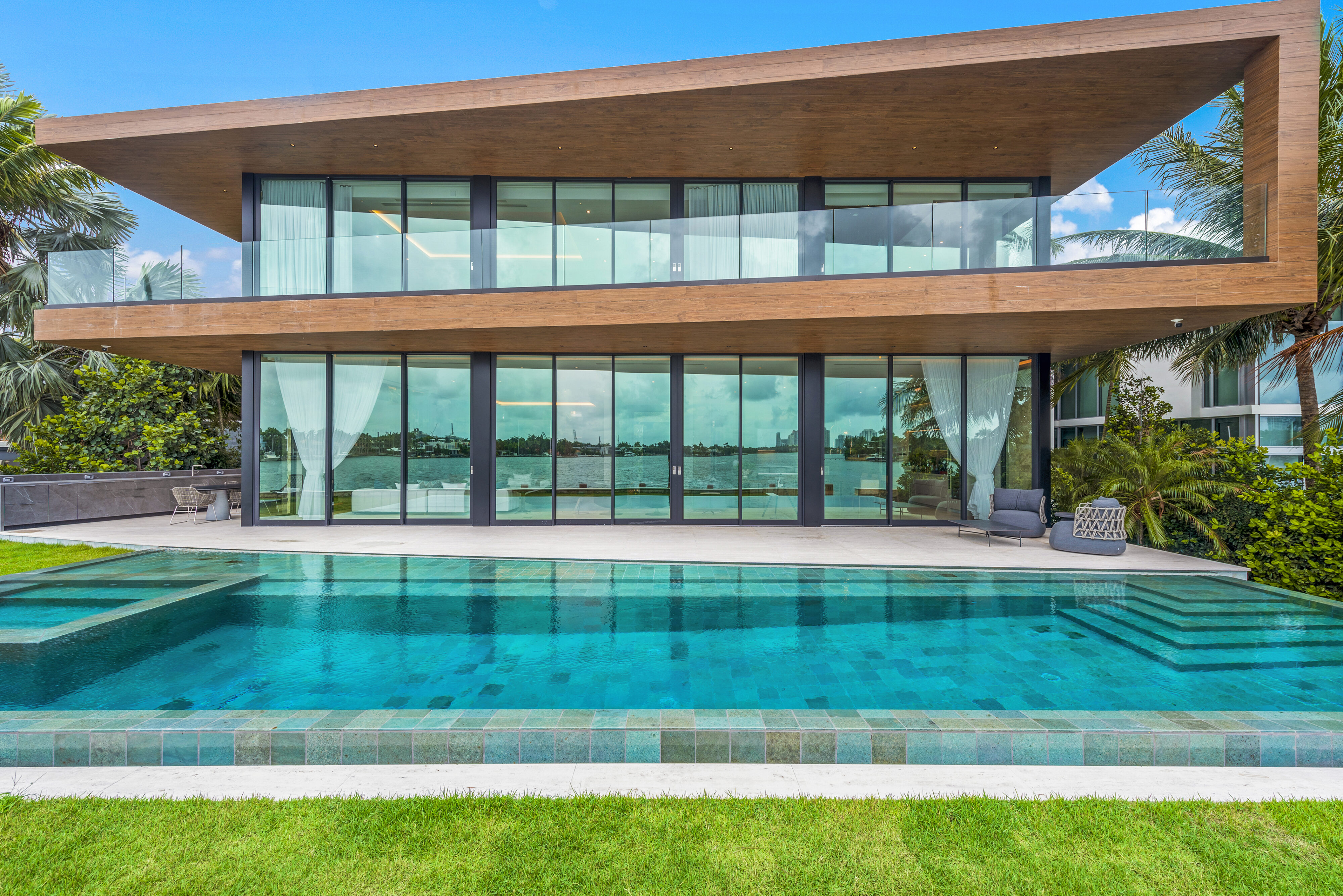
Designing for Outdoor Living in Miami’s Climate
Miami’s climate is conducive to outdoor living. Balconies, patios, and terraces are often extensions of the indoor living space.
Comfortable outdoor furniture, weather-resistant fabrics, and lush greenery will create an inviting oasis for relaxation and entertainment. It’s also best to incorporate shade structures like pergolas or umbrellas that can provide relief from the sun.
And don’t forget about landscaping! Choosing plants that can thrive in Miami’s climate, such as palm trees, succulents, and tropical flowers, will add beauty and value to your home.
In fact, a study by the American Society of Landscape Architects (ASLA) revealed that incorporating outdoor living elements can increase property value by up to 12%, underscoring the importance of well-designed exterior spaces.
Hurricane Preparedness Should Be Factored into Design Choices
Hurricane season is a reality for Miami residents. Interior design choices should consider the potential impact of hurricanes. Securely fastening furniture and accessories, using impact-resistant windows and doors, and having a designated safe room are essential precautions.
Fact:
The Florida Building Code requires all new construction in Miami to meet High-Velocity Hurricane Zone (HVHZ) standards, ensuring structures are designed to withstand extreme weather.
Looking to Design a Space That’s Perfectly Suited to Miami’s Climate?
As you can see, designing a beautiful and functional space in Miami requires a deep understanding of the local climate.
At Design Solutions, we have years of experience creating stunning interiors that are perfectly suited to Miami’s unique environment. Contact us today to discuss your project!
